Parma from Bologna: The Dairy Morning, the Wooden Theatre, and Ham That Names Itself
An hour up the line, the city that named the cheese and the ham runs dairy visits at dawn and keeps a wooden theatre the size of a cathedral. Book the morning, eat the afternoon.
The short version
- Regional trains run Bologna Centrale to Parma in 50–60 minutes at high frequency and small fares — trenitalia.com; the center walks from the station in ten minutes.
- Parmigiano Reggiano dairies (caseifici) run morning production visits — the copper vats, the curd-cutting, the wheel-turning aging halls — booked ahead per the alarm through the consortium’s system at parmigianoreggiano.com; the visits sit outside town, tour pickups and taxis closing the gap.
- Prosciutto di Parma carries its own protected name and its own valley (Langhirano’s curing houses south of town) — in-town tasting bars and the salumerie serve the full DOP spectrum without a booking, sliced to order at counter ceremony.
- The Teatro Farnese — the 1618 wooden theatre built inside the Palazzo della Pilotta at a scale that stops visitors mid-step — comes on the Pilotta complex ticket with the National Gallery and its Correggios and Parmigianinos attached.
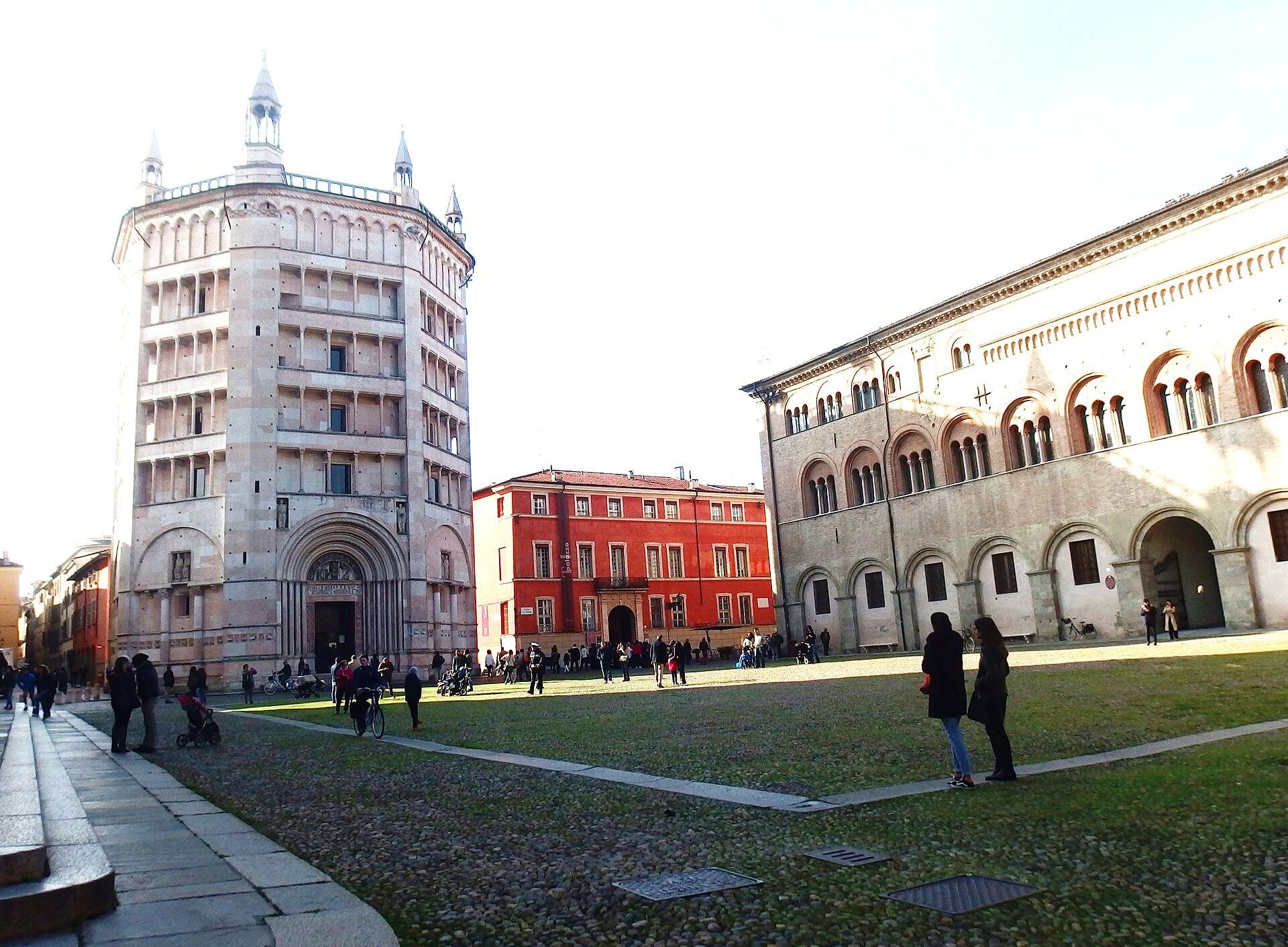
- The Duomo’s dome holds Correggio’s Assumption — a vortex of ascending figures that taught the Baroque how ceilings work — with the pink-marble Battistero next door as the Romanesque counterweight.
- The eating architecture completes it: Mercato della Ghiaia’s stalls, torta fritta with culatello, anolini in brodo by season, and the city’s Michelin-heavy top end booking months out while the osterie feed you the same terroir at a twentieth the bill.

Getting there
The Bologna–Parma regionals run at commuter density; the alarm’s dairy booking is the day’s only real logistics, and it dictates the early train — production visits start with the milk, typically requiring an 8-ish arrival at a caseificio outside town, arranged with the visit’s own transport guidance or a taxi. Bookingless versions of the cheese story exist in town (aging-hall tours and guided tastings at civilized hours) for late deciders. Everything after the dairy runs on foot.
The day
Dairy first per the alarm: the vats steaming at working temperature, the curd cut with the spino’s wire harp, twin wheels lifted in cheesecloth, and the aging hall’s ranked thousands — the hour that turns a supermarket wedge back into agriculture. Back in town by late morning for the Pilotta: the Farnese theatre’s wooden gasp, then the gallery’s Correggio-to-Canova run at appetite’s length. Lunch is the day’s second monument — prosciutto and culatello with torta fritta, anolini if the season serves them, Lambrusco or Malvasia doing the local work. The afternoon takes the Duomo’s dome (coins for the lights, neck for the vortex), the Battistero’s pink octagon, and the Ghiaia market’s shopping ballast — vacuum-packed wedges and DOP ham travel home legally and well. The evening train returns you to Bologna in time to regret nothing.
When to go
Parma eats year-round; September–October adds the festival layer — the prosciutto festival in Langhirano and the September gastronomy calendar — at the price of booked tables. Summer runs warm with the Pilotta’s stone interiors as refuge; winter is fog-and-broth season, which the kitchen was designed for. Dairy visits run mornings year-round by the cows’ calendar, not the tourists’ — the alarm’s book-first rule is seasonless. Verdi season (October, at the Teatro Regio) adds the operatic layer for planners; his birthplace lands nearby for pilgrims.
Frequently Asked Questions
How do dairy visits actually work?
Booked through the consortium or directly with a caseificio, timed to morning production, typically 60–90 minutes covering vats, curd work, brine baths, and the aging halls, ending in a tasting of ages — 12 to 36-plus months. Transport is the visitor’s problem to solve; the booking confirmations spell out the options.
What’s the difference between prosciutto and culatello?
Prosciutto di Parma is the whole hind leg, air-cured in the Langhirano valley’s breezes; culatello is the heart of the muscle, cured in the foggy lowlands under DOP rules of its own and priced like the treasure it is. Tasting them side by side is the correct research method.
Is the Teatro Farnese really that surprising?
Reliably — a wooden theatre the length of a football pitch, rebuilt after wartime destruction from the original’s salvaged material and plans, standing empty and enormous inside a palace. It’s the Pilotta ticket’s headline even with a Correggio gallery attached.
Parma or Modena from Bologna?
Both, ideally — this network documents each: Modena for Ferrari and balsamic, Parma for cheese, ham, and the theatre. Same line, under an hour apiece; food travelers run them as consecutive days and argue the ranking over dinner.
What travels home?
Vacuum-packed parmigiano wedges (the 24-month is the versatile buy), DOP prosciutto sliced and sealed, and anything the Ghiaia’s stalls shrink-wrap — all fine in luggage for most destinations; meat rules for your home country are yours to check. The culatello budget question answers itself at the counter.